
No chance < Fat chance < Slim chance
These phrases essentially mean there is little or no possibility of something working out positively, although they have slightly different nuances. I would say:
0% chance = no chance
3% chance = fat chance
5% chance = slim chance
Native speaker like English: I went for a job interview today but I have fat chance of getting it; there was no chance I could get the job; there was only a slim chance I could get the job.
Simple English: I won’t get the job.
Simple English: Do you think the rookie will make it this year? I don’t think so!
Native speaker like English: Do you think the rookie will make it this year? No chance!
Simple English: It will be difficult for him to pass the test. We should wish him good luck!
Native speaker like English: He has a slim chance of passing the test. We should wish him good luck!
We often talk about “probability” (= how much chance something is likely to happen). It is always good to have a variety of expressions to convey different meanings and nuances.
Good luck and Happy English Learning!
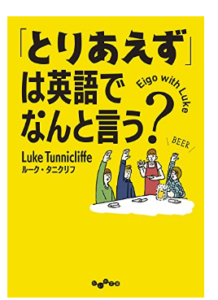 While I was browsing a book store at an airport, this book title caught my eye. English learners in Japan tend to want to know the exact translation of an English word to Japanese or vice versa. It is possible if things can be clearly defined such as a computer, a camera, an apple, or a pair of shoes. But when a word or phrase is a bit more complicated it is not that straightforward. The book conveys this message very well and it offers a list of Japanese words and how they are translated depending on the context.